
Thinking about breast augmentation in Austin, Texas? It’s a big decision, and naturally, you’ve got questions about the cost, what’s involved, and who to trust. This guide breaks down the process, from understanding the price tag to finding the right surgeon and what to expect. We’ll cover everything you need to know to feel confident about your journey.
Key Takeaways
-
The average cost for breast augmentation in Austin, TX, can range from $3,000 to $10,000, with variations based on implant type and procedure complexity.
-
Factors like the surgeon’s experience, facility fees, anesthesia, and implant type (saline vs. silicone) all influence the final price.
-
Choosing a board-certified plastic surgeon is vital for safety and quality, and their fees reflect their expertise and reputation.
-
Financing options, including payment plans, are often available to make breast augmentation more accessible.
-
Breast augmentation differs from procedures like breast lifts; understanding these differences helps in choosing the right surgery for your goals.
Understanding Breast Augmentation Costs In Austin
Thinking about breast augmentation in Austin, Texas? It’s a big decision, and figuring out the cost is a major part of that. Prices can really vary, and it’s not just about the implants themselves. You’ve got to consider a whole bunch of things before you can get a clear picture of what you’ll be spending.
Average Breast Augmentation Prices in Austin
So, what’s the ballpark figure for breast augmentation here in Austin? Generally, you’re looking at a range that can go from about $5,500 to over $7,000, sometimes even more. This isn’t a fixed price, though. It really depends on the specifics of your procedure and what you’re looking for. For instance, the type of implant you choose makes a difference. Saline implants tend to be a bit more budget-friendly than silicone ones. But remember, even within those categories, there can be price variations based on brand and specific features.
Factors Influencing Breast Augmentation Costs
Several things can nudge the price up or down. The surgeon’s experience and reputation are huge factors. A board-certified plastic surgeon with years of successful procedures under their belt might charge more, but that often comes with peace of mind. Then there’s the facility fee – where the surgery takes place. A state-of-the-art surgical center will likely have higher fees than a smaller clinic. Don’t forget anesthesia costs, which depend on how long you’re under and the type of anesthesia used. Even the complexity of your specific case, like whether you need any additional procedures done at the same time, will play a role.
Here’s a quick look at what typically gets factored into the total cost:
-
Surgeon’s Fee: This covers their time, skill, and expertise.
-
Implant Costs: The price of the saline or silicone implants themselves.
-
Anesthesia Fees: Charges for the anesthesiologist and the type of anesthesia.
-
Facility Fees: Costs associated with using the operating room and surgical staff.
-
Pre-operative and Post-operative Care: This includes consultations, follow-up visits, and any necessary medical supplies.
Cost Breakdown: Implants, Anesthesia, and Facility Fees
Let’s break down those main components a bit more. The implants themselves can range from around $800 to $2,000 or more, depending on whether they’re saline or silicone, and the brand. Anesthesia is another significant piece, often costing anywhere from $1,000 to $3,000, depending on the complexity and duration of the surgery. Facility fees can also add a substantial amount, sometimes ranging from $2,000 to $5,000, covering the use of the operating room, nursing staff, and other overhead costs. It’s really important to get a detailed quote that breaks down each of these elements so you know exactly what you’re paying for. Transparency is key when it comes to these costs.
Choosing The Right Breast Implants

Picking the right breast implants is a big part of getting the results you want from augmentation. It’s not just about size; the type of implant, its shape, and even the material it’s made from all play a role. Let’s break down the options so you can make an informed choice.
Saline vs. Silicone Implants: Cost and Considerations
When you’re looking at implants, the two main types you’ll hear about are saline and silicone. They both have their pros and cons, and the best one for you really depends on what you’re looking for.
-
Saline Implants: These are shells filled with sterile saltwater. If a saline implant leaks, the saltwater is safely absorbed by your body. They tend to be a bit less expensive than silicone implants and are often a good choice if you’re concerned about the feel. However, they can sometimes feel firmer and might show wrinkles or ridges, especially if you have very little natural breast tissue. They are also inserted empty and then filled, which can sometimes lead to a slightly smaller incision.
-
Silicone Implants: These are pre-filled with a silicone gel. Many people find that silicone implants feel more natural and softer to the touch, closely mimicking natural breast tissue. They are generally recommended for patients who are thinner and want a very soft, natural look. While they used to have a reputation for being less safe, modern silicone implants have been thoroughly tested and are considered safe by the FDA. They are typically more expensive than saline implants.
The choice between saline and silicone often comes down to desired feel, appearance, and budget.
Exploring Advanced Implant Options
Beyond the basic saline and silicone, there are some newer options that offer different benefits. These advanced implants are designed to provide a more specific look and feel.
-
“Gummy Bear” Implants: These are a type of silicone implant that uses a very cohesive gel. Think of it like a gummy bear candy – the gel holds its shape really well. This means the implant is less likely to change shape or spread out unevenly. They offer a very natural look and feel and are less prone to rupturing or leaking compared to older silicone types. Because they hold their shape so well, they are a popular choice for achieving a consistent and natural-looking result.
-
Shaped Implants (Teardrop/Anatomical): While most implants are round, you can also get implants shaped like a teardrop. These are designed to mimic the natural slope of a breast, with more fullness at the bottom. They can provide a very natural appearance, especially for those who want to avoid a “round” look. However, they do require precise placement to ensure they don’t rotate out of position.
Determining Ideal Implant Size and Shape
Figuring out the right size and shape is where things get really personal. It’s a conversation you’ll have with your surgeon, and it involves a few key factors:
-
Your Body’s Natural Proportions: The goal is usually to create a look that’s balanced with your frame. A surgeon will consider your height, weight, and existing breast tissue to recommend sizes that will look natural on you.
-
Desired Outcome: Are you looking for a subtle enhancement or a more dramatic change? Your personal goals are the most important guide here.
-
Implant Profile: Implants come in different “profiles,” which refers to how much they project forward from the chest. Low, moderate, moderate-plus, high, and ultra-high profiles are available. A higher profile implant will create more projection and a fuller look, while a lower profile will be more subtle.
Choosing the right implant involves balancing your aesthetic goals with the practicalities of implant materials, shapes, and sizes. It’s a decision that should be made in close consultation with your plastic surgeon, who can guide you based on your anatomy and desired results.
Here’s a quick look at some common implant characteristics:
|
Feature |
Saline Implants |
Silicone Implants |
Gummy Bear Implants |
|---|---|---|---|
|
Filling |
Sterile saltwater |
Silicone gel |
Cohesive silicone gel |
|
Feel |
Can be firmer, potential for rippling |
Softer, more natural feel |
Very natural, holds shape well |
|
Leakage |
Absorbed by body, no health risk |
Gel stays contained if shell ruptures |
Gel stays contained, less prone to rupture |
|
Cost |
Generally less expensive |
Generally more expensive |
Often more expensive than standard silicone |
|
Shape Options |
Round |
Round, Shaped (Teardrop) |
Round, Shaped (Teardrop) |
|
Best For |
Affordability, safety if leakage occurs |
Natural feel, soft appearance |
Natural look, shape retention, less rippling |
Finding Qualified Breast Augmentation Surgeons
When you’re thinking about breast augmentation, picking the right surgeon is a really big deal. It’s not just about finding someone who can do the job; it’s about finding someone you trust with your health and your aesthetic goals. In Austin, Texas, you have options, but you want to make sure you’re choosing wisely.
The Importance of Board-Certified Plastic Surgeons
First off, always look for a surgeon who is board-certified in plastic surgery. What does that mean? It means they’ve completed rigorous training, passed tough exams, and are recognized by a professional board for their skills and knowledge in plastic surgery. This certification is a strong indicator that they meet high standards for patient safety and surgical competence. It’s a baseline requirement, honestly, and something you shouldn’t skip.
Evaluating Surgeon Experience and Reputation
Beyond certification, check out how much experience a surgeon has specifically with breast augmentation. Have they performed many of these procedures? Do they have a good track record? Look for patient reviews, before-and-after photos, and testimonials. A surgeon’s reputation in the Austin community can tell you a lot about their patient care and the results they achieve. Don’t be afraid to ask about their specific techniques and any specialized training they might have.
What to Expect During Your Consultation
Your first meeting with a potential surgeon is super important. This is your chance to ask all your questions and get a feel for their approach. A good surgeon will take the time to:
-
Listen to your goals: They’ll want to know exactly what you’re hoping to achieve with the surgery.
-
Perform a thorough examination: This includes checking your breast tissue, skin, and overall health.
-
Discuss your options: They’ll explain different implant types, sizes, and placement methods, and help you understand what’s best for your body.
-
Explain the risks and recovery: No surgery is without risks, and a good surgeon will be upfront about them, as well as what to expect during recovery.
-
Show you before-and-after photos: Seeing their previous work can give you a realistic idea of potential outcomes.
A consultation is more than just a pre-op check; it’s a partnership. You should feel comfortable, informed, and confident in the surgeon’s abilities and recommendations. If something feels off, it’s okay to seek a second opinion.
Here’s a quick look at what you might discuss regarding implant choices:
|
Implant Type |
Common Materials |
Typical Feel |
Considerations |
|---|---|---|---|
|
Saline |
Saltwater |
Firmer |
Lighter weight, smaller incision possible |
|
Silicone |
Silicone gel |
Softer, more natural |
Higher upfront cost, requires MRI for monitoring |
|
Fat Transfer |
Your own fat |
Very natural |
Limited volume increase, requires sufficient donor fat |
Financing Your Breast Augmentation Journey
Thinking about breast augmentation is a big step, and figuring out how to pay for it is a major part of the process. It’s not like buying a new couch; this is a significant investment in yourself. Understanding your financing options can make the whole experience feel much more manageable. Let’s break down how you can make this procedure a reality.
Exploring Payment Plans and Financing Options
When it comes to paying for your breast augmentation, you’ve got a few different avenues to explore. Many people find that a combination of methods works best for their financial situation.
-
Third-Party Financing Companies: These are companies that specialize in medical procedures. Think of providers like CareCredit or Alphaeon Credit. They often have different plans you can choose from, with monthly payments that can make the cost feel less overwhelming. Some even offer special introductory periods with no or low interest, which can be a real lifesaver. Just be sure to read all the fine print so you know exactly what you’re signing up for.
-
In-House Financing: Some surgical centers or plastic surgeon’s offices offer their own payment plans. This means you work directly with the clinic to arrange how you’ll pay. It can be a straightforward option, and sometimes they have more flexibility than external companies. It’s worth asking your surgeon’s office if this is something they provide.
-
Personal Loans or Savings: Of course, you can always use personal savings or explore options like a personal loan from your bank. This gives you complete control over the repayment terms, but it might mean a larger upfront payment or a fixed repayment schedule.
Making Breast Augmentation Affordable
Affordability is key, and there are ways to approach the cost without breaking the bank. It’s all about planning ahead and knowing what to look for.
Here’s a quick look at how costs can vary by state, which might give you some perspective:
|
State/District |
Average Cost |
|---|---|
|
Texas |
$9,125 |
|
California |
$8,248 |
|
New York |
$7,711 |
|
Utah |
$6,406 |
|
West Virginia |
$6,796 |
Remember, these are just averages, and your specific costs in Austin, Texas, will depend on your surgeon, the type of implants, and the facility fees.
Planning is everything when it comes to making a significant purchase like this. Don’t be afraid to ask questions about all the costs involved, from the surgeon’s fee to the anesthesia and facility charges. Getting a clear picture upfront helps avoid surprises later on.
Understanding Insurance Coverage for Breast Procedures
This is a common question, and the short answer is: usually, no. Most breast augmentation procedures are considered cosmetic, meaning they’re elective and not typically covered by health insurance. Insurance is generally for medically necessary treatments.
However, there are exceptions. If your breast augmentation is part of a reconstructive surgery, like after a mastectomy due to breast cancer, insurance might cover some of the costs. It’s always best to check directly with your insurance provider. They can tell you exactly what might be covered and what isn’t, based on your specific plan and the reason for the procedure. Don’t assume anything; a quick call can save you a lot of confusion down the line.
Breast Augmentation vs. Other Breast Procedures
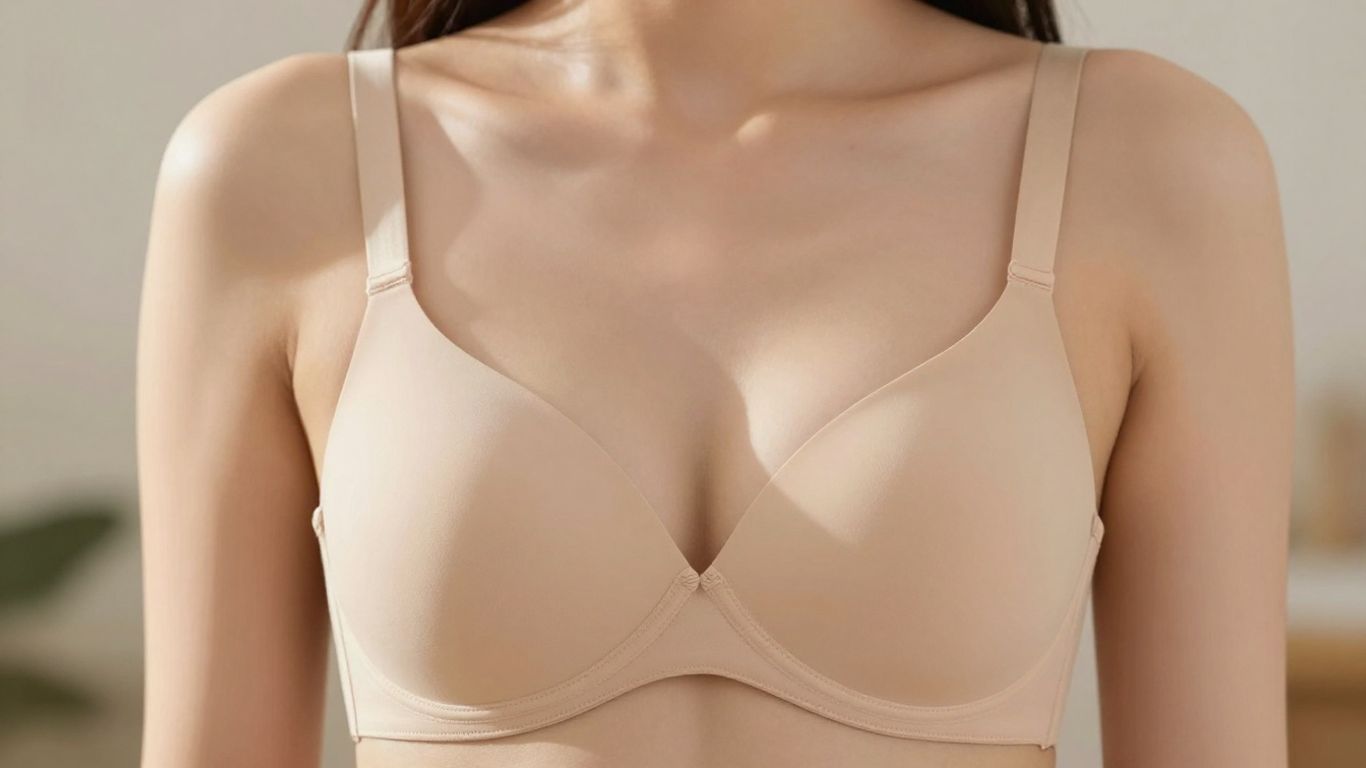
When you’re thinking about changing your breasts, it’s easy to get terms mixed up. Breast augmentation, breast lifts, and breast reductions are all different procedures, even though they all involve the breasts. Sometimes they’re done together, and sometimes they’re done alone. It really depends on what you’re looking to achieve.
Differentiating Breast Augmentation from a Breast Lift
Breast augmentation is primarily about adding volume. This is usually done with implants, either saline or silicone, or sometimes with fat transfer from another part of your body. The goal here is to make the breasts larger or to restore lost volume, maybe after pregnancy or significant weight loss. A breast lift, on the other hand, is about addressing sagging. It’s also called a mastopexy. This procedure removes extra skin and reshapes the breast tissue to make it look perkier and more lifted. It doesn’t necessarily add size, but it can improve the overall shape and position. You can’t get rid of sagging just by adding implants.
When to Consider a Breast Lift with Augmentation
Lots of women find that a breast lift combined with augmentation gives them the best results. If your breasts have lost some of their perkiness due to aging, pregnancy, or gravity, but you also want more fullness, doing both procedures at once makes a lot of sense. It means you only go through surgery and recovery once, which is usually easier than doing them separately. This combination can really help create a more youthful and balanced look, especially if you have breasts that droop a bit or lack fullness in the upper part.
Understanding Breast Reduction Surgery
This is the opposite of augmentation. Breast reduction surgery is for individuals who feel their breasts are too large. Excess breast tissue and skin are removed to make the breasts smaller and lighter. This can help alleviate physical discomfort like back and neck pain, as well as improve self-consciousness. While augmentation adds volume, reduction takes it away. It’s a procedure aimed at improving comfort and proportion when breasts are disproportionately large.
Here’s a quick look at the differences:
|
Procedure |
Primary Goal |
|---|---|
|
Breast Augmentation |
Increase size, restore volume |
|
Breast Lift (Mastopexy) |
Address sagging, improve shape, lift breasts |
|
Breast Reduction |
Decrease size, relieve physical discomfort |
It’s important to have a clear idea of your goals before talking to a surgeon. Are you looking for more volume, a lift to combat sagging, or a reduction in size? Sometimes, the answer might be a combination of procedures, but understanding the basic purpose of each will help you communicate effectively with your doctor in Austin.
Benefits and Candidate Considerations
Thinking about breast augmentation is a big step, and it’s totally normal to wonder about what you can expect and if it’s the right move for you. It’s not just about the surgery itself, but also about how it can fit into your life and what kind of results are realistic.
Enhancing Confidence and Body Proportions
Many people choose breast augmentation to feel better about their appearance. It can help create a more balanced look, especially if you feel your breasts are disproportionately small compared to the rest of your body. This can lead to a significant boost in self-esteem and how you feel in your clothes. It’s about achieving a shape and size that feels right for you.
Realistic Expectations for Breast Augmentation
It’s super important to go into this with your eyes wide open. Breast augmentation can add volume and improve the shape of your breasts, making them more symmetrical. However, it’s not a magic wand. Implants won’t stop gravity, and they can’t completely erase the effects of aging or significant weight changes. The goal is to enhance your natural look, not to create something entirely different. Discussing your hopes and what’s actually achievable with your surgeon is key to being happy with the outcome.
Who is a Good Candidate for Breast Augmentation?
So, who is typically a good fit for this procedure? Generally, you should be in good overall health and not have any medical conditions that could complicate surgery or healing. You should also have realistic expectations about what the surgery can do. It’s not a weight-loss solution, and it’s best if your weight has been stable for a while.
Here are some common characteristics of good candidates:
-
Physically healthy: No major health issues that would make surgery risky.
-
Mentally prepared: Understand the procedure, recovery, and potential risks.
-
Realistic goals: Wanting to improve appearance and proportions, not seeking perfection.
-
Non-smoker: Smoking can significantly impact healing.
-
Completed breast development: Your breasts should have reached their full size.
It’s really about finding a balance between what you hope to achieve and what’s physically possible. A good surgeon will help you understand this balance, looking at your body’s natural structure and your personal desires to guide you toward the best possible outcome. They’ll talk about implant types, sizes, and placement to make sure the results look natural and feel right for you.
Wrapping Things Up
So, we’ve talked a lot about breast augmentation costs in Austin, Texas. It’s clear that prices can really vary, depending on things like the type of implants you pick and which surgeon you go with. Remember, this isn’t just about the sticker price; it’s about finding a qualified doctor who makes you feel comfortable and safe. Don’t be afraid to ask questions and explore financing options if you need them. Ultimately, the goal is to achieve the results you’re looking for in a way that makes sense for your budget and your well-being.
Frequently Asked Questions
What’s the typical price range for breast augmentation in Austin, Texas?
In Austin, Texas, the cost for breast augmentation generally falls between $3,000 and $10,000. This price can change based on the type of implants you choose and how complex the surgery is. Remember, this usually includes the surgeon’s fee, the implants themselves, anesthesia, and follow-up appointments.
What factors can affect the total cost of a breast augmentation?
Several things can influence the final price. The surgeon’s experience and reputation are big factors, as are the fees for the operating room or surgical center. The type of implants you select—like saline versus silicone—and where you have the surgery done can also change the cost. Sometimes, extra adjustments might be needed, which could add to the price.
Are saline and silicone implants priced differently?
Yes, they often are. Saline implants are usually less expensive than silicone implants. Silicone implants tend to cost more, but they can offer a more natural feel and look for some people. Your surgeon can help you understand the pros, cons, and costs of each type.
Can I get a breast lift and augmentation at the same time, and how does that affect the cost?
You can definitely have a breast lift (mastopexy) combined with augmentation. This procedure focuses on lifting and reshaping the breasts while also increasing their size. Doing both at once can sometimes be more cost-effective than having them done as separate surgeries. The total cost will be higher than augmentation alone, but potentially less than two separate procedures.
How can I make breast augmentation more affordable?
Many clinics offer payment plans or financing options to help spread out the cost. You can ask your surgeon’s office about these possibilities. Some places might also offer special deals or discounts at certain times of the year.
Does insurance cover breast augmentation?
Typically, insurance does not cover breast augmentation because it’s considered a cosmetic procedure. However, if you need breast implants for reconstruction after a mastectomy or to correct a significant asymmetry, some insurance plans might offer coverage. It’s best to check directly with your insurance provider and your surgeon’s office.
Leave a Reply