Thinking about getting breast augmentation in Washington DC? It’s a big decision, and you probably have a lot of questions. We’re here to break down what you need to know, from understanding the procedure itself to figuring out the costs and what to expect afterward. Let’s get into the details so you can make an informed choice about your Breast Augmentation Washington DC.
Key Takeaways
-
Breast augmentation uses implants or fat transfer to change breast size and shape, and it’s a popular choice for many women in Washington DC.
-
Ideal candidates are generally in good health with realistic expectations about the outcomes of the surgery.
-
The average cost for breast augmentation in Washington DC can range significantly, influenced by factors like implant type, surgeon’s fees, and facility costs.
-
Choosing the right implants involves considering types, materials, size, shape, and placement, all discussed during your consultation.
-
While primarily cosmetic, insurance might cover breast augmentation in specific cases like reconstruction, but typically it’s an out-of-pocket expense.
Understanding Breast Augmentation Washington DC
Thinking about breast augmentation in Washington D.C.? It’s a big decision, and understanding the basics is the first step. Basically, breast augmentation is a surgical procedure designed to increase the size and improve the shape of your breasts. This is typically done using implants, which can be filled with either saline or silicone gel. The goal is to help you achieve a look that feels more balanced and proportionate with your body.
What Is Breast Augmentation?
At its core, breast augmentation is about enhancement. It’s a way to address concerns about breast size, symmetry, or volume loss. Whether you’re looking to restore fullness after pregnancy or weight loss, correct a noticeable difference between your breasts, or simply desire a larger cup size, this procedure can offer a solution. It’s a personal journey, and the outcome is tailored to your individual desires and anatomy.
Ideal Candidates for Breast Augmentation
So, who makes a good candidate for this procedure? Generally, if you’re in good overall health and have realistic expectations about what surgery can achieve, you’re likely a good starting point. It’s important to remember that while augmentation can significantly improve appearance, it’s not a magic wand. Factors like your existing breast tissue, body frame, and lifestyle all play a role. A thorough consultation will help determine if you’re a suitable candidate.
Here are some common reasons people consider breast augmentation:
-
To increase breast size for a more proportional figure.
-
To correct asymmetry, making breasts more even.
-
To restore lost volume after pregnancy or significant weight loss.
-
To improve the overall contour and shape of the breasts.
Benefits of Breast Augmentation Surgery
Women choose breast augmentation for a variety of personal reasons, and the benefits can be quite profound. Beyond just a larger size, many find that the procedure boosts their self-confidence and improves their body image. Feeling more comfortable and secure in your own skin can have a ripple effect on many aspects of life. It can help clothes fit better, leading to a greater sense of personal style and satisfaction. For some, it’s about feeling more feminine or addressing changes that have occurred over time.
The decision to undergo breast augmentation is deeply personal. It’s about aligning your physical appearance with your internal sense of self and achieving a look that makes you feel your best. The psychological benefits, such as increased confidence and self-esteem, are often as significant as the physical changes.
Breast Augmentation Consultation Process
What To Expect During Your Consultation
So, you’re thinking about breast augmentation? That’s a big step, and the first real step is the consultation. This isn’t just a quick chat; it’s where you and your surgeon really get to know each other and your goals. The primary goal of this meeting is to make sure you’re fully informed and comfortable with the entire process. You’ll sit down with the surgeon, and they’ll take a good look at your body, discuss what you’re hoping to achieve, and talk about what’s realistic. They’ll go over different implant options, explain the surgery itself, and cover any potential risks. It’s your chance to ask absolutely everything that’s on your mind. Don’t hold back!
Information You Will Need To Provide
To help your surgeon get the clearest picture, you’ll need to share some personal health details. Be ready to talk about:
-
Your complete medical history, including any past surgeries or health conditions.
-
A full list of all medications you’re currently taking. This includes prescriptions, over-the-counter drugs like aspirin, vitamins, and any herbal supplements.
-
Your habits regarding alcohol and tobacco use. This information is important because it can affect healing and surgical outcomes.
Being completely honest about your health and lifestyle helps your surgeon plan the safest and most effective procedure for you. It’s all about tailoring the surgery to your unique needs.
Discussing Implant Options
This is where things get really interesting. Breast implants aren’t one-size-fits-all anymore. You’ll discuss:
-
Types and Materials: Saline implants (filled with sterile saltwater) and silicone gel implants (which have a thicker, more cohesive gel) are the main choices. Each has its own feel and characteristics.
-
Size and Shape: This is a big one. Your surgeon will help you figure out what size will look natural and proportionate with your body frame. Shapes can range from round to teardrop, each giving a different look.
-
Placement: You’ll talk about where the implant will sit – either over the chest muscle or under it. This decision impacts the final look and feel.
It might seem like a lot, but your surgeon is there to guide you through all these choices, helping you pick what will give you the best aesthetic result.
Breast Augmentation Costs in Washington DC
Thinking about breast augmentation in Washington D.C. can bring up a lot of questions, and cost is usually a big one. It’s not a simple ‘one-size-fits-all’ price tag, and honestly, that’s a good thing because it means the cost can be tailored to what you actually need.
Average Cost of Breast Augmentation
While it’s tough to pin down an exact figure without a personal consultation, you can expect the average cost for breast augmentation in the D.C. area to generally fall somewhere between $7,000 and $12,000. This range typically includes the surgeon’s fee, anesthesia, facility costs, and the implants themselves. Keep in mind, this is just a ballpark figure, and your specific situation might be a bit higher or lower.
Factors Influencing Breast Augmentation Price
So, what makes that price tag go up or down? Several things play a role. First off, the type of implant you choose matters. Saline implants are often a bit less expensive than silicone ones. Then there’s the size and shape – larger or custom-shaped implants might cost more. The surgeon’s experience and reputation are also factored in; highly sought-after surgeons might charge a premium. The complexity of your procedure is another factor. For instance, if you’re combining augmentation with a breast lift, that will naturally increase the overall cost. The surgical facility’s fees can also vary.
Here’s a general idea of how different procedures might stack up:
|
Breast Augmentation Type |
Estimated Cost Range |
|---|---|
|
Breast Augmentation with Implants |
$3,900 – $10,000 |
|
Breast Augmentation with Fat Transfer |
$5,000 – $15,000 |
|
Hybrid Breast Augmentation |
$3,300 – $15,000 |
Note: These figures are estimates and do not include personal expenses like time off work or recovery supplies.
Financing Options for Breast Augmentation
Paying for a procedure like this can feel like a lot, but thankfully, there are options. Many plastic surgery practices in Washington D.C. partner with financing companies like CareCredit® or Alphaeon®. These allow you to pay for your procedure over time with monthly payments. You’ll want to discuss these options with the practice during your consultation to see what works best for your budget. Besides financing plans, most offices accept standard payment methods like cash, checks, and major credit cards. A deposit is usually required to book your surgery date, with the remaining balance due closer to your procedure.
It’s important to remember that the cheapest option isn’t always the best. Focusing solely on cost can sometimes mean compromising on safety or results. A thorough consultation will help you understand all the costs involved and what you’re getting for your investment.
When you have your consultation, be sure to ask for a detailed breakdown of all the costs. This way, there won’t be any surprises down the road. They should also go over any potential additional costs, like follow-up appointments or medications.
Choosing Your Breast Implants
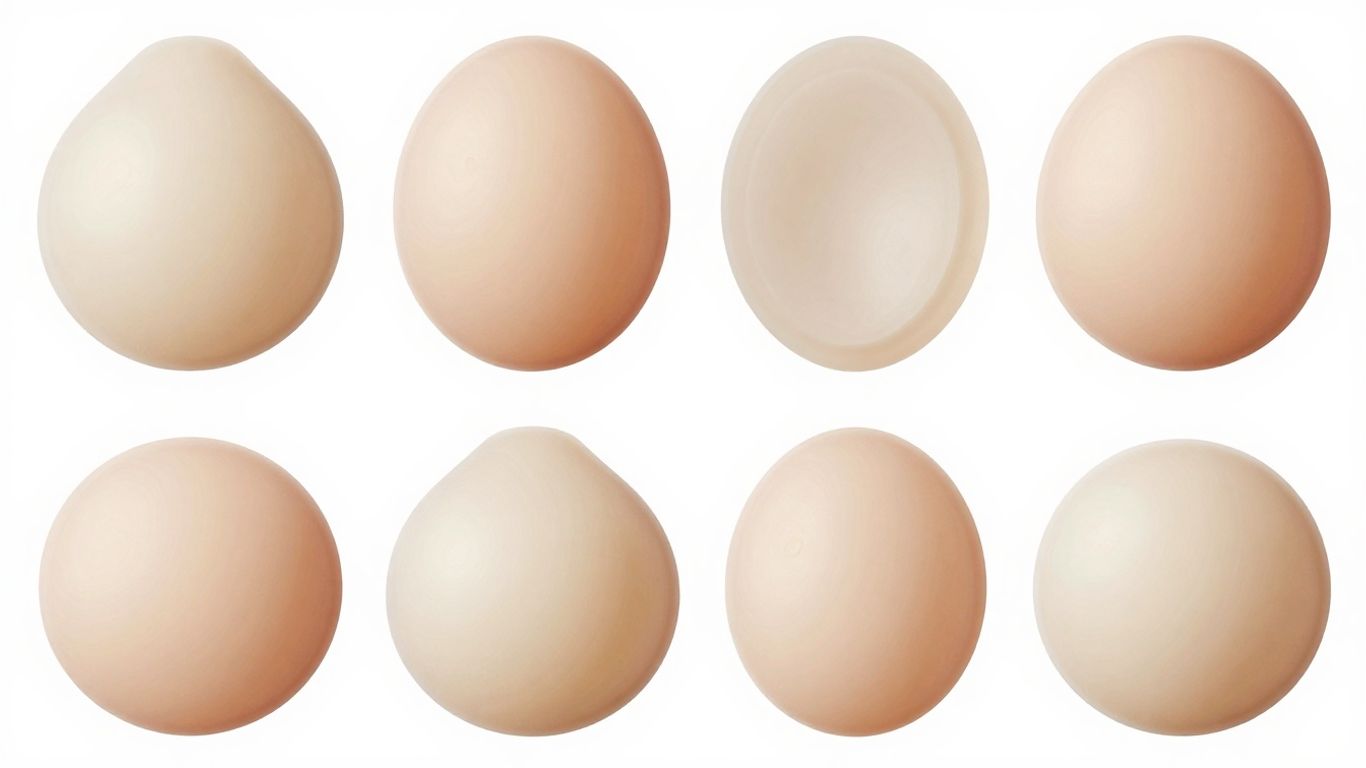
Picking the right breast implants is a big part of the whole breast augmentation journey. It’s not just about size; there are different types, shapes, and even how they’re placed inside. Your surgeon will be your guide through all these choices. They’ll help you figure out what looks and feels best for your body and your goals.
Implant Types and Materials
Right now, you’ve got two main fill options approved by the FDA: saline and silicone. Saline implants are filled with sterile saltwater after they’re put in place. This means the incision can be smaller. They tend to feel a bit firmer than silicone. If a saline implant leaks, the body just absorbs the saltwater, and the implant deflates.
Silicone implants come pre-filled with a gel that feels more like natural breast tissue. They’re generally softer and can look more natural, especially if you don’t have a lot of your own breast tissue. There are a couple of kinds of silicone gel. Some are cohesive, meaning the gel stays together even if the implant shell is cut. Others are highly cohesive, sometimes called “gummy bear” implants, which hold their shape really well. These are great if you want to minimize any chance of rippling or sagging.
Here’s a quick look at the differences:
|
Feature |
Saline Implants |
Silicone Implants |
|---|---|---|
|
Feel |
Firmer |
Softer, more like natural breast tissue |
|
Leakage |
Deflates, body absorbs saline |
Gel stays contained, may require MRI to detect |
|
Incision Size |
Can be smaller |
Slightly larger due to pre-filling |
|
Rippling |
More prone to rippling |
Less prone to rippling |
|
Age Requirement |
At least 18 |
At least 22 |
Determining Implant Size and Shape
Figuring out the size is where things can get fun, but also a bit tricky. Your surgeon has a few ways to help you decide. They might show you pictures of other women with the results you’re aiming for. Sometimes, they use special 3D imaging software that can show you what different implant sizes would look like on your body. You might also get to try on “sizers” – temporary implants in a special bra – to see how they look under clothes. The goal is to find a size that looks natural with your frame.
When it comes to shape, implants are generally either round or shaped (sometimes called teardrop or anatomical). Round implants give a fuller look all around. Shaped implants mimic the natural slope of a breast, with more fullness at the bottom. Your surgeon will consider your existing breast tissue, skin, and chest structure to recommend the best shape for you.
Implant Placement Options
Where the implant goes also makes a difference. There are two main spots: over the muscle or under the muscle. Placing the implant over the chest muscle is often simpler and might mean a quicker recovery. However, it can sometimes lead to a higher chance of seeing or feeling the implant edges, especially if you’re very slender.
Putting the implant under the chest muscle can provide a more natural look and feel, and it often hides the implant edges better. This method might involve a bit more discomfort initially and a slightly longer recovery period. Your surgeon will discuss which placement is best suited for your anatomy and desired outcome.
Choosing your implants isn’t a decision to rush. It involves understanding the materials, how they feel, and how they’ll look on your body. Talking openly with your surgeon about your expectations and concerns is the most important step in making sure you’re happy with the final result.
The Breast Augmentation Procedure and Recovery
So, you’re thinking about getting breast implants. That’s a big step! Let’s talk about what actually happens during the surgery and what you can expect afterward. It’s not just about the implants themselves, but the whole process from start to finish.
Surgical Procedure Details
The actual surgery is usually done under general anesthesia, meaning you’ll be asleep the whole time. Most breast augmentation surgeries take about one to two hours to complete. Your surgeon will make a small incision, typically in places that help hide any scarring, like under the breast, around the areola, or in the armpit. Through this incision, they’ll create a pocket either in front of or behind your chest muscle to place the implant. Sometimes, a special tool called the Keller Funnel is used to help insert the implant smoothly with a smaller incision. After the implants are in place, the incisions are closed, and you’ll be fitted with a supportive surgical bra.
What To Expect During Recovery
Recovery is a big part of the process, and everyone heals a bit differently. You’ll likely feel sore and tired for a few days. Swelling is also normal and can take several weeks to fully go down. Most people take about a week off from work, but if your job is physically demanding, you might need more time. You’ll need someone to drive you home after the surgery and help you out for the first day or two. You’ll be wearing a special surgical bra pretty much constantly for the first couple of weeks to help everything heal in the right position.
Here’s a general timeline:
-
First 24-48 hours: Focus on resting. You’ll likely have some drainage tubes, and your surgeon will give you instructions on how to care for them before they’re removed, usually within a week.
-
First Week: You can usually shower, but be careful not to get the bandages wet. You’ll have a follow-up appointment to check on your healing. Most dissolvable stitches won’t need to be removed.
-
Weeks 2-6: You can start sleeping without the surgical bra at night, but you’ll still need to wear it during the day. You can usually return to driving and light activities. Your surgeon will guide you on when it’s okay to start wearing your regular bras, often recommending ones without underwire initially.
-
3-6 Weeks: You can typically start light exercise, but always check with your surgeon first. They might also show you how to do specific implant massages to help keep them soft and in place. These massages are often recommended several times a day for the first few months.
Post-Operative Care Instructions
Following your surgeon’s instructions is super important for a good outcome. This includes:
-
Medication: Take any prescribed pain relievers or antibiotics exactly as directed.
-
Activity Restrictions: Avoid heavy lifting, strenuous exercise, and any activities that could put stress on your chest for the first several weeks. Your surgeon will give you specific guidelines.
-
Wound Care: Keep your incision sites clean and dry. Follow any specific instructions for showering and bandage changes.
-
Follow-Up Appointments: Don’t skip your scheduled check-ups. These are vital for monitoring your healing, checking for any complications, and answering any questions you might have.
-
Sun Protection: Protect your scars from direct sunlight for at least a year to minimize their appearance.
Healing takes time, and it’s important to be patient with your body. While initial results are visible soon after surgery, the final outcome continues to develop as swelling subsides over the next few months. Listening to your body and following your surgeon’s advice will help ensure the best possible recovery and results.
Risks and Considerations for Breast Augmentation
Thinking about breast augmentation is a big step, and it’s totally normal to wonder about what could go wrong. Like any surgery, there are potential risks involved, and it’s super important to go into this with your eyes wide open. Your surgeon will chat with you about all of this during your consultation, helping you figure out if this procedure is the right fit for you.
Potential Risks of Breast Augmentation
While most people have a smooth experience, it’s good to know about the possibilities. Some uncommon issues can pop up, like infection or bleeding. You might also experience hematoma (a collection of blood outside of blood vessels) or scarring. Sometimes, the tissue around the implant can tighten up, which is called capsular contracture. There’s also a chance of implant rupture or leakage, and some people notice changes in how their nipples or breasts feel. Understanding these potential complications is key to making an informed decision.
FDA Regulations for Breast Implants
Breast implants are medical devices, and they’re regulated by the FDA. This means they have to meet certain safety and effectiveness standards. The FDA requires manufacturers to conduct studies and report on the long-term safety of their implants. They also provide guidance to patients and healthcare providers about implant use and potential risks. It’s always a good idea to be aware of the latest FDA recommendations regarding breast implants.
When Insurance May Cover Breast Augmentation
Generally speaking, breast augmentation for purely cosmetic reasons isn’t covered by health insurance. It’s considered an elective procedure. However, there are situations where insurance might help out. If you need breast implants as part of a breast reconstruction after mastectomy, for example, that’s often covered. Sometimes, if there’s a medical necessity, like correcting a severe asymmetry or addressing certain implant-related issues, insurance could potentially step in. You’ll need to check with your specific insurance provider and your surgeon’s office to see what might apply in your case. It’s worth looking into financing options for breast augmentation if coverage isn’t an option for you.
Exploring Breast Augmentation Results
So, you’ve gone through the whole process – the consultations, the decisions about implants, and the surgery itself. Now comes the exciting part: seeing the results! It’s totally normal to be curious about what you’ll look like after everything settles. The visual transformation is often a big part of why people choose this procedure.
Viewing Before and After Galleries
One of the best ways to get a realistic idea of what’s possible is by looking at before and after photos. Most surgeons will have a gallery of their past patients. These galleries are super helpful because they show the actual outcomes of the procedures performed by that specific surgeon. You can see the range of sizes, shapes, and how different implants look on various body types. It’s a good way to start picturing what you might want for yourself. Remember, everyone’s body is different, so results will vary, but these photos give you a solid starting point.
Patient Testimonials and Experiences
Beyond just the pictures, hearing from other people who’ve been through it can be really insightful. Patient testimonials often share the personal journey, from the initial decision to the recovery and, of course, the final results. You might read about how the surgery boosted someone’s confidence or how they felt about their new silhouette. It’s like getting advice from someone who’s already walked the path you’re considering. These stories can offer comfort and help you prepare for your own experience.
Achieving Your Desired Aesthetic Goals
Ultimately, the goal of breast augmentation is to help you feel more comfortable and confident in your own skin. Whether you’re looking to restore lost volume, achieve better symmetry, or simply enhance your natural shape, the results should align with what you envisioned. It’s important to have had clear communication with your surgeon about your aesthetic goals during your consultation. The best outcomes happen when your expectations are realistic and well-understood by both you and your surgical team. Most studies show a very high satisfaction rate among patients, with many reporting that their results met or even exceeded what they hoped for.
Wrapping Things Up
So, you’ve looked into breast augmentation, checking out what it involves, the potential costs in the Washington D.C. area, and what to expect. It’s a big decision, for sure. Remember, finding the right surgeon is key, and they’ll walk you through everything from implant choices to recovery. Don’t forget to factor in all the costs, not just the surgery itself. If you’re ready to take the next step, booking that initial consultation is a great way to get personalized answers and figure out if this procedure is the right fit for you and your goals.
Frequently Asked Questions
What exactly is breast augmentation?
Breast augmentation is a surgery to make your breasts bigger. Doctors use special implants, either filled with saline (saltwater) or silicone gel, to help achieve the size and shape you want for your breasts. It’s a way to enhance your natural look.
Who is a good candidate for this surgery?
Generally, if you’re in good health and have a clear idea of what you want your results to look like, you might be a good candidate. It’s important to have realistic expectations about what surgery can do. Your doctor will talk with you about this during your first meeting.
How much does breast augmentation usually cost in Washington D.C.?
The cost can vary quite a bit. While one estimate puts the average around $7,149 for the procedure itself, the total price can range from about $5,100 to over $18,000. This depends on things like the surgeon’s experience, where you have the surgery, and the type of implants you choose.
What are the different types of breast implants?
There are two main types: saline implants, which are filled with sterile saltwater, and silicone gel implants, which are pre-filled with a soft gel. Both come in different sizes and shapes. Your surgeon will help you decide which is best for you based on your body and desired look.
Will my insurance cover breast augmentation?
Usually, insurance does not cover breast augmentation because it’s considered a cosmetic procedure, meaning it’s done for appearance. However, if the surgery is needed to reconstruct a breast after an illness or injury, insurance might cover part of the cost.
What should I expect after the surgery?
After your surgery, you’ll need some time to recover. You’ll likely feel sore and might have some swelling. Your doctor will give you specific instructions on how to care for yourself, including how to manage pain and when you can return to your normal activities. Following these instructions is key to a good recovery.
Leave a Reply